
Walking your puppy should be a fun bonding activity—not a frustrating tug-of-war. If your puppy turns into a sled dog the moment you step outside, you’re not alone. Leash pulling is one of the most common training challenges puppy owners face.
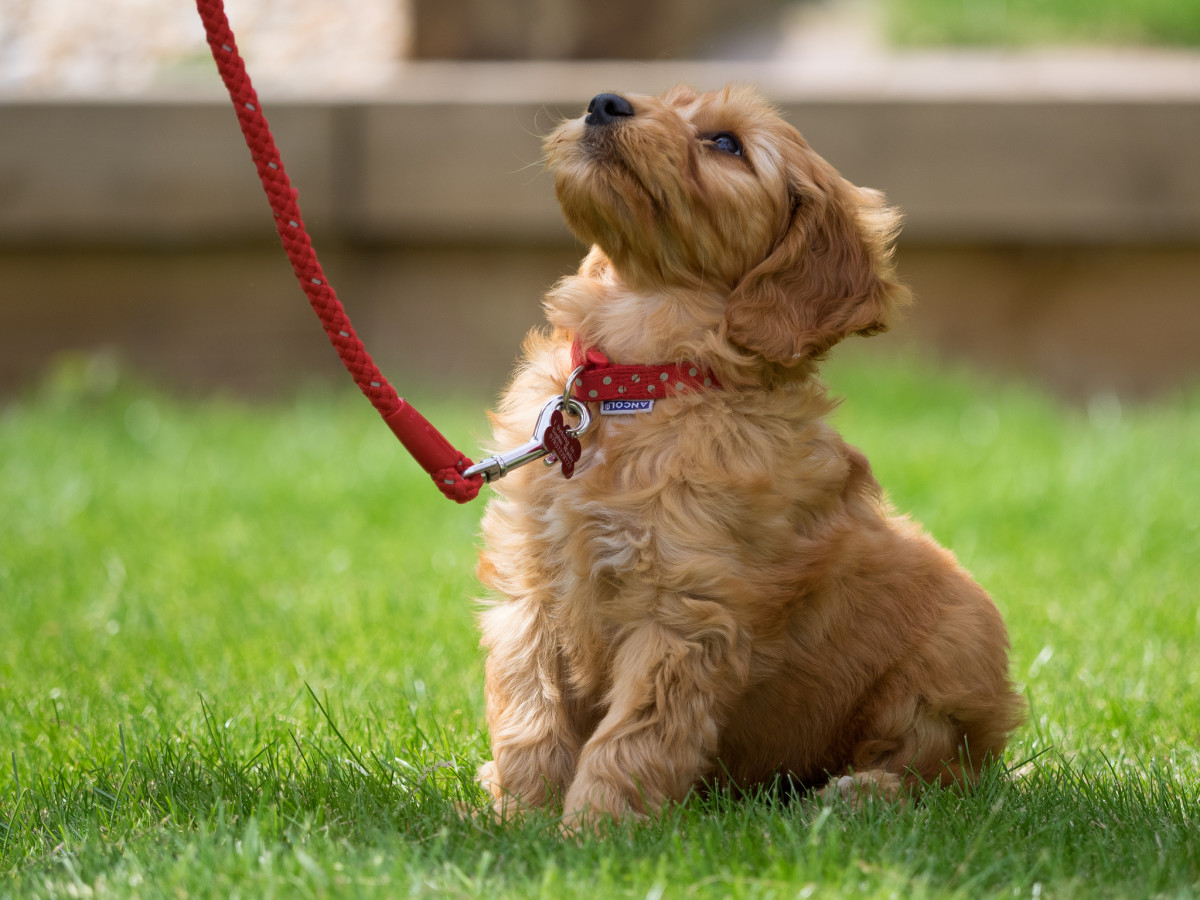
The good news? With consistency, patience, and the right techniques, you can teach your puppy to walk calmly on a loose leash.
Why Puppies Pull on the Leash
Before fixing the behavior, it helps to understand why it’s happening.
-
Excitement: The outdoors is full of smells, sights, and sounds. Puppies want to explore everything—fast.
-
Lack of experience: Walking on a leash is a learned skill, not an instinct. Puppies need time to understand what’s expected.
-
Unintentional reinforcement: If pulling gets them where they want to go, they learn that it works.
What Is Loose-Leash Walking?
Loose-leash walking means your dog walks beside you with a relaxed leash—not tight, not pulling, and not lagging far behind. It’s not a formal “heel” position, but rather a comfortable, controlled walk that both of you can enjoy.
Step-by-Step: Teaching Loose-Leash Walking
1. Start Indoors or in a Low-Distraction Area
Begin training in your home or backyard. The fewer distractions, the easier it is for your puppy to focus. Attach the leash and reward your puppy for walking near you, even for just a few steps.
2. Reward the Right Position
Keep treats handy and reward your pup for staying by your side. Each time they walk next to you without pulling, give them a treat or praise. This helps them understand where you want them to be.
Tip: Use a clicker or a consistent marker word like “yes” to let them know the exact moment they’re doing the right thing.
3. Use the “Stop and Stand” or “Be a Tree” Method
If your puppy pulls ahead:
-
Stop walking immediately
-
Say nothing—just wait
-
Only move forward when the leash is loose again
This teaches your puppy that pulling doesn’t get them where they want to go—but a loose leash does.
4. Try the Turn-Around Technique
Another effective method is to change direction each time your pup pulls:
-
As soon as they lunge forward, turn around and walk the other way
-
Praise when they follow and the leash is loose
This teaches them to pay attention to your movements and keeps them engaged.
5. Use the Right Equipment (Not a Quick Fix)
A standard flat collar may not give you enough control, especially with large or strong puppies. Consider:
-
A front-clip harness to reduce pulling
-
A head halter for better steering (with proper training)
-
Avoid retractable leashes, which encourage pulling and reduce control
Note: No tool replaces training—it just supports it.
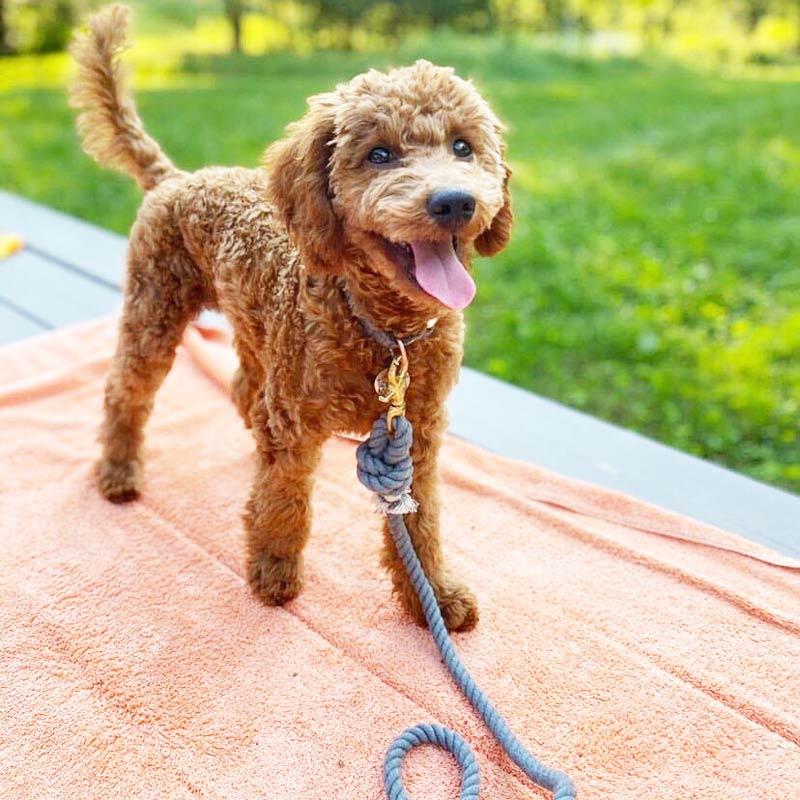
Consistency Is Everything
Loose-leash walking takes time. Every walk is a training opportunity, so don’t rush it. If you allow pulling sometimes and correct it other times, your puppy will get mixed messages.
Stick to short training walks if needed. It’s better to have a focused 10-minute walk than a chaotic 30-minute one.
Unlock your dog’s full potential with Off Leash K9 Training – San Antonio. As part of the top-rated dog training company in the U.S., we offer expert training that helps dogs of all breeds, sizes, and ages achieve exceptional obedience without a leash. Explore our personalized training programs and discover how we can strengthen the bond between you and your canine companion. Contact us today at (210) 529-8681 to get started on your journey to a well-trained, off-leash pup!