
Dogs communicate volumes without saying a word. While we often notice their excitement or joy, understanding the subtler signs of fear is just as important—especially for building trust and preventing anxiety from escalating into aggression or distress. Recognizing what your dog’s body is telling you allows you to respond appropriately, helping them feel safe, understood, and supported.
Why Understanding Body Language Matters
Fear is a natural emotion for dogs, just as it is for humans. However, dogs express fear differently, often through physical cues rather than vocal ones. A fearful dog isn’t being “bad” or “stubborn”—they’re communicating discomfort or distress.
By learning to recognize these signals early, you can help your dog avoid overwhelming situations, prevent behavior problems, and strengthen your bond built on empathy and respect.
1. The Subtle Signs of Fear
Fear in dogs often begins with quiet, subtle indicators before becoming more obvious. Learning to notice these early cues can prevent escalation. Look for signs such as:
-
Avoidance behaviors: Turning the head away, backing up, or trying to leave a situation.
-
Lip licking or yawning: When out of context (not related to food or sleep), these are signs of stress.
-
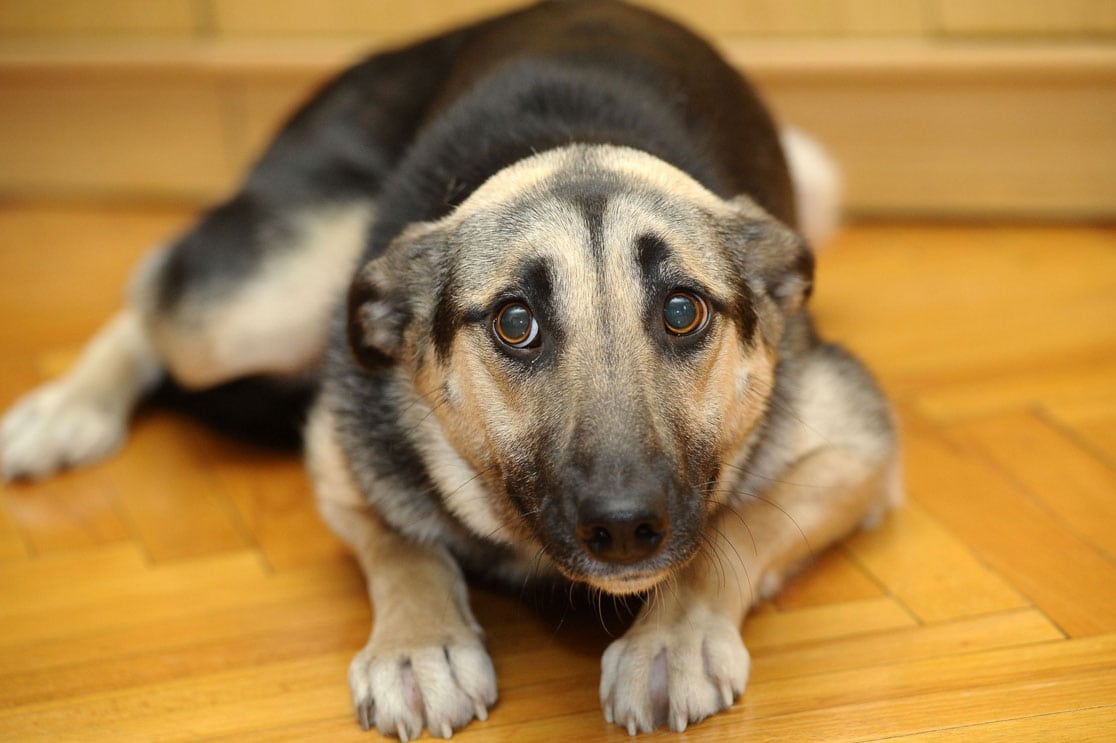
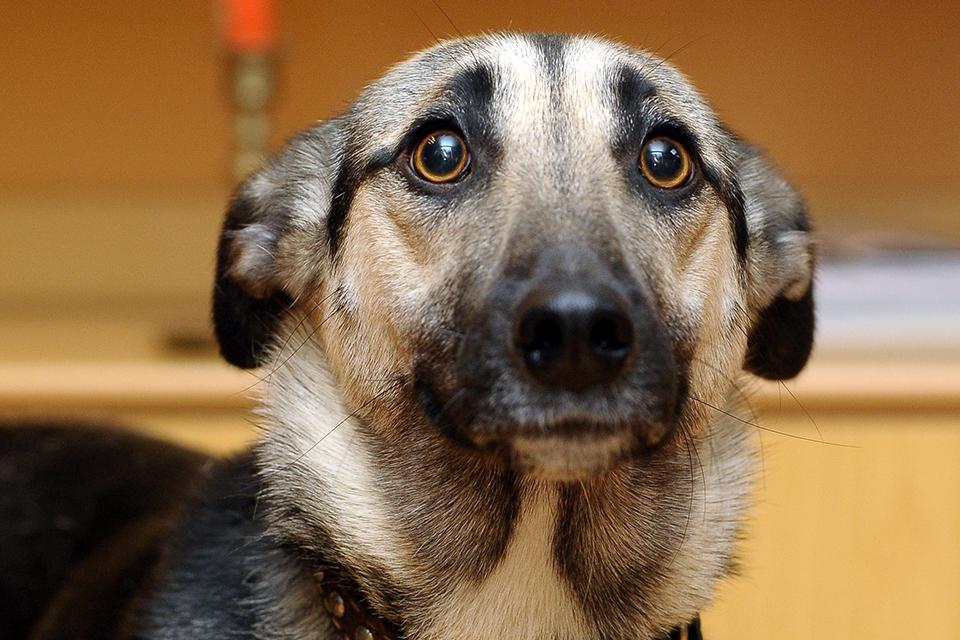
Whale eye: When the whites of the eyes are visible, often showing tension or unease.
-
Ears pinned back: A clear signal that your dog is uncomfortable or anxious.
-
Tucked tail: One of the most recognized signs of fear, often accompanied by crouching.
-
Raised paw or lowered body posture: Indicates uncertainty or a desire to appease.
These signals are your dog’s way of saying, “I’m not comfortable right now.” Respecting these early warnings helps build trust and prevents fear from turning into defensive behavior.
2. Moderate Signs: Escalating Fear
If a dog’s initial signals are ignored or the stressor remains, their fear may intensify. You might see:
-
Shaking or trembling
-
Panting when not hot or tired
-
Refusing treats or turning away from food
-
Hiding behind objects or people
-
Freezing or becoming very still
A frozen dog isn’t calm—they’re shutting down from fear. At this point, it’s crucial to remove or reduce the stressor and give your dog space to recover.
3. Severe Signs: Fear Turning Defensive
When a dog feels trapped or threatened, fear can escalate into defensive or aggressive behaviors. These are not signs of dominance—they are desperate attempts to create distance from a perceived threat. Watch for:
-
Growling or barking
-
Showing teeth or snarling
-
Snapping or lunging
If your dog shows these signs, do not punish them. Punishment increases fear and teaches your dog that warning signals are unsafe to express. Instead, calmly move them away from the situation and seek help from a professional trainer or behaviorist who uses positive reinforcement.
4. Understanding Context
Reading dog body language is all about context. A tucked tail might signal fear in one situation but simple relaxation in another. Consider the whole picture—what’s happening around your dog, their environment, and their individual temperament.
Some dogs express fear more subtly than others. A quiet, still dog might be more stressed than one barking or pacing. Learning your dog’s unique cues is key.
5. How to Respond to Signs of Fear
Once you recognize that your dog is afraid, your response can make all the difference.
-
Stay calm and reassuring. Avoid sudden movements or loud voices.
-
Give them space. Let them retreat to a place they feel safe.
-
Do not force interaction. Pushing a fearful dog into an uncomfortable situation only deepens fear.
-
Use positive reinforcement. Reward calm or curious behavior with treats and praise to create positive associations.
-
Work gradually. Expose your dog to triggers slowly and at a comfortable pace, always prioritizing their emotional safety.
6. Building Confidence Over Time
Understanding fear is only the first step. Once you know your dog’s signals, you can work on helping them feel safer through:
-
Confidence-building games that encourage curiosity.
-
Predictable routines that reduce anxiety.
-
Safe spaces where your dog can decompress.
-
Professional guidance from trainers experienced with fearful dogs.
Over time, with consistency and empathy, your dog will learn to navigate the world with more confidence—and you’ll become a trusted partner in their emotional growth.
Unlock your dog’s full potential with Off Leash K9 Training – San Antonio. As part of the top-rated dog training company in the U.S., we offer expert training that helps dogs of all breeds, sizes, and ages achieve exceptional obedience without a leash. Explore our personalized training programs and discover how we can strengthen the bond between you and your canine companion. Contact us today at (210) 529-8681 to get started on your journey to a well-trained, off-leash pup!