Building Trust Through Touch: A Comprehensive Guide to Dog Handling Training
Have you ever wondered why some dogs naturally trust their handlers while others remain hesitant? The secret lies in mastering the art of gentle dog handling. Building trust through touch is the cornerstone of successful dog training, yet many pet owners struggle to establish this crucial connection. Whether you’re a first-time dog owner or an experienced handler looking to strengthen your bond, understanding proper handling techniques can transform your relationship with your furry companion. In this comprehensive guide, we’ll explore proven methods that professional trainers use to develop trust and confidence in dogs. From reading body language to implementing gentle touch techniques, you’ll discover how to: • Create a safe and comfortable environment for your dog • Recognize signs of stress and anxiety during handling • Master essential handling techniques for daily activities • Build lasting trust through positive reinforcement Let’s unlock the secrets to becoming the confident, trustworthy handler your dog needs.

Essential Touch Desensitization Techniques
Starting with Hand Touch Training
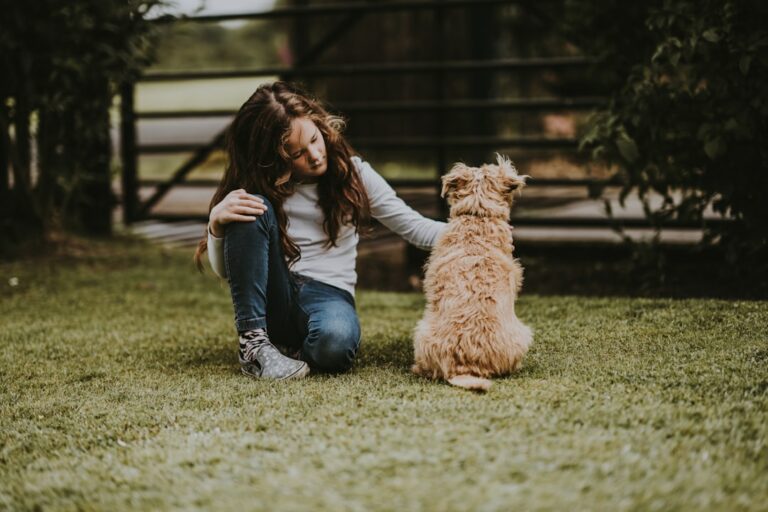
Building a positive association with touch begins with gentle hand interactions. The first step in touch desensitization involves teaching your dog to view human hands as sources of comfort and rewards rather than threats. Start by letting your dog approach your hand at their own pace, rewarding them with treats when they show interest.
Present your open palm near your dog, but not directly in their face. When they voluntarily touch or sniff your hand, immediately reward them. This creates a foundation where your dog learns that human touch leads to pleasant experiences. Practice this exercise in different ways and locations to help generalize the behavior.
Remember to keep initial sessions short and positive, gradually increasing duration as your dog becomes more comfortable. If your dog shows any signs of stress or discomfort, take a step back and proceed more slowly.
Progressive Touch Exercises
Once your dog is comfortable with basic hand touches, you can advance to more comprehensive touching exercises. Begin by gently touching areas your dog naturally enjoys being petted, like their chest or shoulders. Pair each touch with treats to maintain that positive association.
Slowly progress to handling other body parts:
– Start with brief touches to the paws
– Move on to gentle ear handling
– Practice touching the tail area
– Work on collar and harness handling
Each new area should be approached gradually, always respecting your dog’s comfort level. If they show resistance, return to an easier step where they feel confident. The goal is to build trust through predictable, gentle interactions.
Mix up your touch exercises with regular play sessions to keep training engaging. This helps your dog understand that handling exercises are just another fun part of their routine, not something to be worried about.

Building Trust Through Positive Reinforcement
Reward-Based Training Methods
Positive reinforcement training forms the foundation of building trust with your dog. This approach focuses on rewarding desired behaviors rather than punishing unwanted ones. When your dog performs a desired action, immediately offer a food reward or praise to reinforce that behavior.
Using treats as a food reward is particularly effective during initial training phases. Choose small, easily consumable treats that your dog finds especially appealing. This creates a positive association with following commands and strengthens the bond between you and your pet.
Remember that rewards aren’t limited to treats alone. Verbal praise, gentle petting, or favorite toys can be equally effective reinforcements. The key is identifying what motivates your dog the most and using that as a reward consistently.
Timing and Consistency
The success of positive reinforcement training heavily depends on proper timing. Reward your dog immediately after they perform the desired behavior – even a few seconds delay can weaken the connection between the action and the reward.
Consistency is another crucial element in this training approach. Every family member should follow the same commands and reward system. This creates a clear understanding for your dog about what behaviors earn rewards.
Make training sessions short but frequent – this is a good way to maintain your dog’s interest and prevent overwhelming them. Start with basic commands and gradually progress to more complex behaviors as your dog masters each level.
Keep your tone upbeat and encouraging throughout the training process. Dogs are incredibly perceptive to human emotions, and your positive energy will help create a more effective learning environment.
Unlock your dog’s full potential with Off Leash K9 Training – San Antonio. As part of the top-rated dog training company in the U.S., we offer expert training that helps dogs of all breeds, sizes, and ages achieve exceptional obedience without a leash. Explore our personalized training programs and discover how we can strengthen the bond between you and your canine companion. Contact us today at (210) 529-8681 to get started on your journey to a well-trained, off-leash pup!