
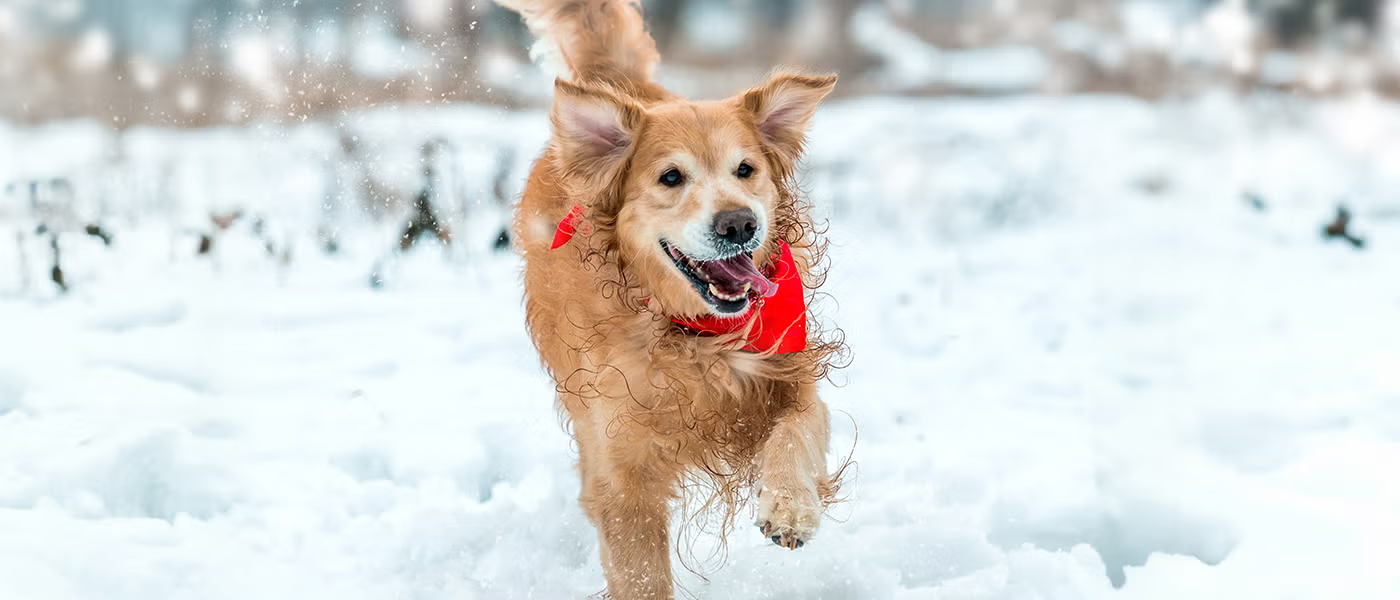
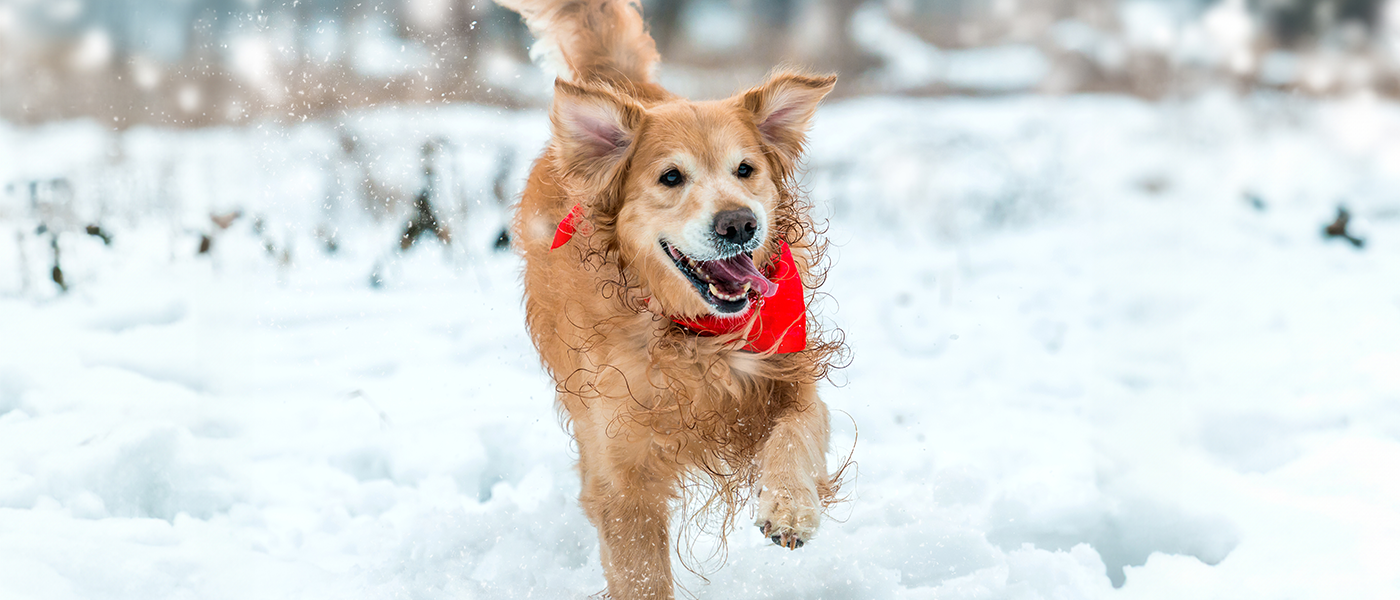
Cold-Weather Gear Every Training Dog Needs
Winter training can be rewarding, but it comes with challenges that require proper preparation. Cold temperatures, icy surfaces, and harsh winds can make outdoor training uncomfortable—or even unsafe—for both dogs and handlers. The right gear not only keeps your dog warm and protected but also ensures training sessions remain consistent throughout the winter months.
Here is the essential cold-weather gear every training dog should have.

1. Insulated Dog Coat
A well-fitted winter coat provides warmth and shields your dog from wind, snow, and freezing temperatures. Short-haired, small, senior, or thin-bodied dogs benefit most from added insulation during outdoor training sessions.
What to look for:
-
Waterproof or water-resistant outer layer
-
Adjustable straps for secure fit
-
Coverage across the chest and belly
-
Reflective strips for visibility during early mornings or late evenings
2. Dog Booties
Booties protect paws from snow, ice, and road salt while improving traction on slippery surfaces. Many dogs need time to get used to wearing them, so introduce booties gradually indoors before winter training begins.
Key features:
-
Non-slip rubber soles
-
Adjustable, snug closures
-
Water resistance
-
Soft interior lining
3. Paw Balm or Wax
Even with booties, paw pads can become dry or cracked. Paw balm helps protect your dog’s skin from harsh chemicals, salt, ice melt, and cold temperatures.
Benefits include:
-
Moisturizes cracked pads
-
Provides a temporary barrier against salt
-
Reduces snowball buildup between toes
Apply before and after winter walks for best results.
4. High-Visibility Harness or Vest
Winter training often means walking in low-light conditions. A reflective or brightly colored harness or vest ensures your dog stays visible to drivers, cyclists, and other pedestrians.
Look for:
-
Reflective stitching or panels
-
Adjustable straps
-
Secure buckle system
-
Compatibility with leashes and tracking lines
5. Weather-Resistant Leash
Standard nylon leashes can become stiff or slippery in cold, wet weather. A weather-resistant leash maintains flexibility and grip.
Recommended materials:
-
Biothane
-
Rubber-coated nylon
-
Rope leashes with durable weaves
These materials perform well in snow, slush, and freezing temperatures.
6. Insulated Water Bottle
Hydration is just as important in winter as it is in summer. Dogs can become dehydrated without showing obvious signs, especially during high-energy training sessions.
Tips:
-
Carry warm (not hot) water in an insulated bottle.
-
Offer frequent small sips during longer training sessions.
7. Dog Snood or Neck Warmer
A snood provides additional warmth to a dog’s neck and ears. This is especially helpful for breeds with thin fur or floppy ears that are prone to frostbite.
Ideal features:
-
Soft, stretchy fabrics
-
Snug but comfortable fit
-
Moisture-wicking materials
8. Cooling-Proof Training Treat Pouch
Some treat pouches stiffen or become difficult to open in freezing weather. Choose one designed to stay flexible and easy to access even in low temperatures.
Useful attributes:
-
Insulated or lined interior
-
Magnetic or soft-opening closures
-
Weather-resistant fabric
9. Protective Eye Shields (Optional)
For dogs who train in areas with high glare from snow, protective eye shields can reduce irritation. While not every dog needs them, they can be beneficial for sensitive breeds or snowy mountain environments.
Consider if your dog:
-
Squints frequently
-
Has light-sensitive eyes
-
Spends long periods outdoors in bright snow
Unlock your dog’s full potential with Off Leash K9 Training – San Antonio. As part of the top-rated dog training company in the U.S., we offer expert training that helps dogs of all breeds, sizes, and ages achieve exceptional obedience without a leash. Explore our personalized training programs and discover how we can strengthen the bond between you and your canine companion. Contact us today at (210) 529-8681 to get started on your journey to a well-trained, off-leash pup!


