
Mastering the Sidewalk: Leash Etiquette and Urban Walking Skills
Walking your dog in a city is about more than just getting from point A to point B. It’s a shared experience that involves navigating narrow sidewalks, busy intersections, and a wide variety of people, pets, and distractions. In an urban environment, good leash manners are not just polite—they’re essential for safety, comfort, and the well-being of both your dog and the people around you.
Whether you’re strolling through a neighborhood, heading to a dog-friendly café, or commuting via busy streets, mastering leash etiquette can make your walks smoother, safer, and more enjoyable. Here’s how to do it right.
1. Start with the Right Equipment
Before you hit the sidewalk, make sure you and your dog are set up for success.
Essentials:
-
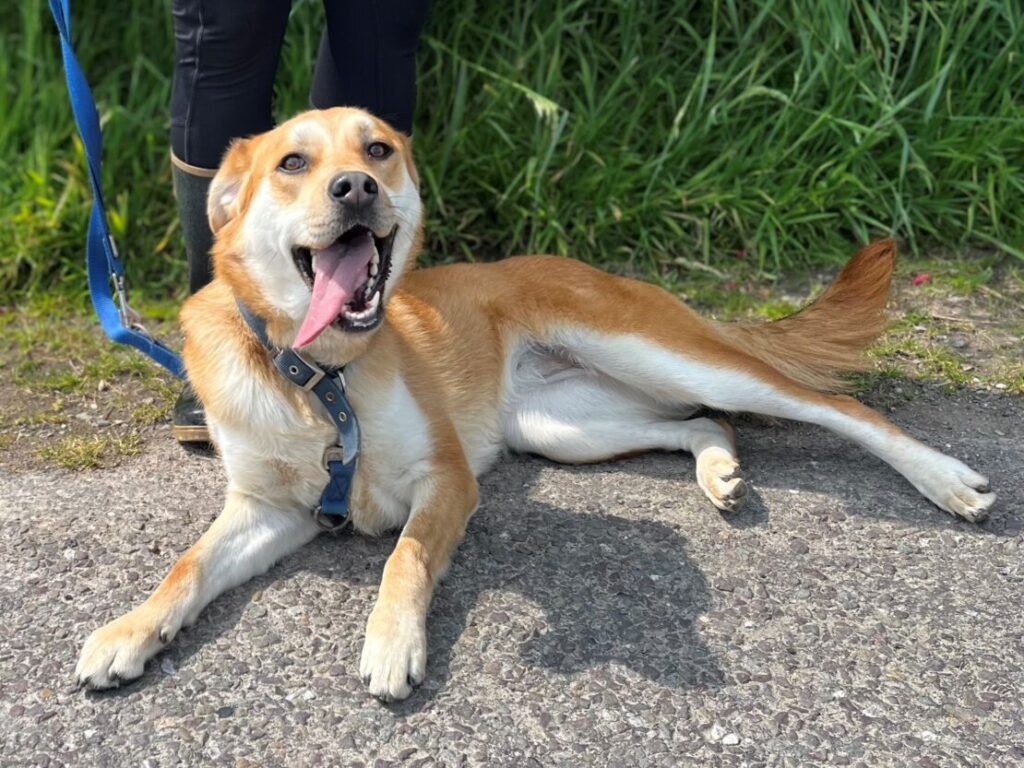
Standard 4–6 foot leash: Avoid retractable leashes, which can create safety issues in crowded spaces.
-
Well-fitted harness or collar: Harnesses can offer more control and reduce pressure on your dog’s neck.
-
Poop bags and treats: Always be prepared.
Tip: Choose gear that’s comfortable for your dog and gives you clear control in case of sudden distractions.
2. Teach Loose-Leash Walking
Loose-leash walking means your dog walks beside you without pulling. In urban settings, this skill is non-negotiable.
How to train:
-
Start in a quiet area.
-
Use treats to reward your dog for staying close and keeping the leash slack.
-
If your dog pulls, stop walking. Resume only when the leash is loose again.
-
Reward often in the beginning to reinforce the behavior.
With consistency, your dog will learn that walking calmly beside you is the fastest way to keep moving forward.
3. Choose the Proper Sidewalk Position
Train your dog to walk consistently on one side of you—ideally the side opposite traffic.
Benefits:
-
Prevents your dog from stepping into the street
-
Minimizes tangling with pedestrians
-
Creates predictability, especially in crowds
Pro tip: Use a verbal cue like “heel” or “let’s go” to reinforce the position.
4. Respect Personal Space
Urban sidewalks are shared spaces. Not everyone is comfortable with dogs, and some dogs may react unpredictably in close quarters.
Guidelines:
-
Keep your dog close when passing people or other dogs
-
Don’t let your dog approach strangers or sniff others without permission
-
Step aside or move to the curb when necessary
Teaching your dog a simple “leave it” or “on by” cue can help them ignore distractions and keep moving.

5. Practice Crosswalk Awareness
Teach your dog to stop and sit at every curb before crossing. This routine builds automatic caution and makes crossing busy streets safer.
How:
-
Approach the curb and give the “sit” cue.
-
Wait for a moment of calm.
-
Use a consistent release word like “okay” or “let’s go” to cross.
Make it a habit, even when the street is clear.
6. Handle Distractions With Confidence
From loud noises to food scraps and other dogs, city sidewalks are full of surprises. Use cues like:
-
“Watch me” to redirect focus
-
“Leave it” for ignoring trash or tempting smells
-
“Wait” for temporary pauses
Carrying high-value treats helps keep your dog’s attention when distractions arise.
7. Mind the Environment
In the city, the sidewalk isn’t always dog-friendly.
Be aware of:
-
Hot pavement: Especially in summer, check the temperature before long walks.
-
Broken glass or trash: Train your dog to walk around hazards or stop when unsure.
-
Crowded spaces: In busy areas, shorten the leash and keep your dog close until the path clears.
8. Be a Courteous Neighbor
Good sidewalk etiquette includes being aware of your impact on others.
-
Clean up after your dog—every time, no exceptions.
-
Avoid blocking doorways or narrow walkways.
-
Don’t allow your dog to bark excessively at passersby or lunge at windows when indoors near a sidewalk.
You represent all dog owners when you’re out walking. Setting a good example helps promote dog-friendly communities.
Unlock your dog’s full potential with Off Leash K9 Training – San Antonio. As part of the top-rated dog training company in the U.S., we offer expert training that helps dogs of all breeds, sizes, and ages achieve exceptional obedience without a leash. Explore our personalized training programs and discover how we can strengthen the bond between you and your canine companion. Contact us today at (210) 529-8681 to get started on your journey to a well-trained, off-leash pup!