
Socialization vs. Overwhelm: How to Strike the Right Balance
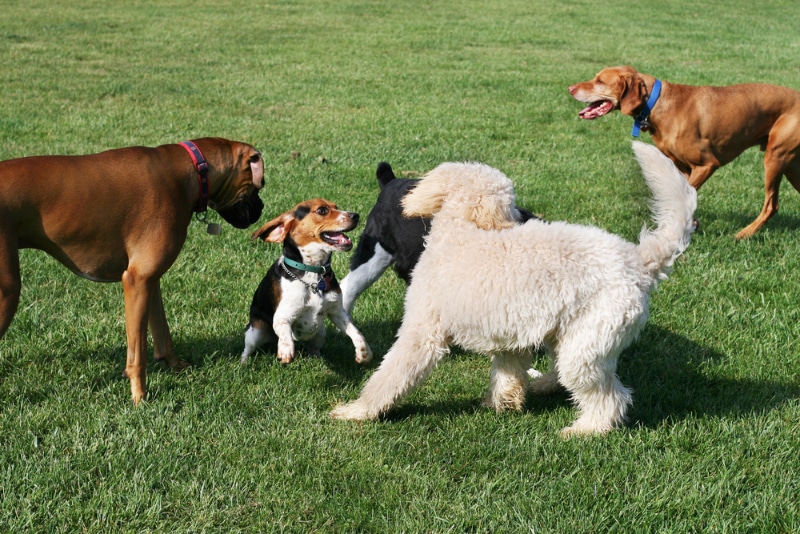
Socializing your puppy is one of the most important steps in raising a happy, confident dog. But too much too soon—or the wrong kind of exposure—can do more harm than good. Finding the balance between positive socialization and avoiding overwhelm is essential for healthy development. In this post, we’ll explore how to identify the difference between beneficial social exposure and overstimulation, along with practical strategies for keeping your puppy’s experiences safe, controlled, and confidence-building.

Understanding Puppy Socialization
Socialization is the process of gently introducing your puppy to the people, places, animals, sights, sounds, and experiences they’ll encounter throughout life. Ideally, this begins between 3 and 14 weeks of age, when puppies are most receptive to new input.
Proper socialization can:
-
Build emotional resilience
-
Reduce fear and anxiety
-
Improve behavior and adaptability
But effective socialization isn’t just about volume—it’s about quality, timing, and sensitivity to your puppy’s emotional state.
The Risk of Overwhelming Your Puppy
While exposure is vital, flooding your puppy with too much stimulation or placing them in uncomfortable situations can backfire. Overwhelm can lead to:
-
Fearful reactions (shaking, hiding, whining)
-
Avoidance behaviors or aggression
-
Long-term anxiety in similar environments
Common signs your puppy is overwhelmed include:
-
Yawning or excessive panting (when not tired or hot)
-
Tucked tail or crouched posture
-
Freezing or refusal to move
-
Growling or snapping
-
Desperate attempts to escape
Overwhelm isn’t always dramatic—it often shows up subtly. Paying attention to body language is key.
How to Strike the Right Balance
1. Start Small, Build Gradually
Begin with quiet, low-stress environments. Let your puppy adjust at their own pace before introducing busier or noisier spaces. For example:
-
Start with one calm person before a group of children
-
Try a quiet sidewalk before a busy shopping area
Progressive exposure builds confidence without flooding the senses.
2. Use Short, Positive Sessions
Limit socialization experiences to short and frequent sessions—10 to 20 minutes is often enough for young pups. End every session on a positive note with a treat, toy, or cuddle.
3. Watch and Respect Their Signals
Let your puppy approach new things on their own. Never force interaction. If your pup backs away, freezes, or hides, pause and reassess. Giving them space builds trust.
4. Pair Experiences With Positivity
Use high-value treats, praise, and play to create positive associations. This helps your puppy link new sights and sounds with safety and reward.
5. Avoid the “Checklist Mentality”
Socialization isn’t about checking off as many experiences as possible. A calm, safe encounter with one child is better than overwhelming your puppy with ten screaming kids at once. Quality matters more than quantity.
Controlled Socialization Ideas
To help balance socialization without overwhelm:
-
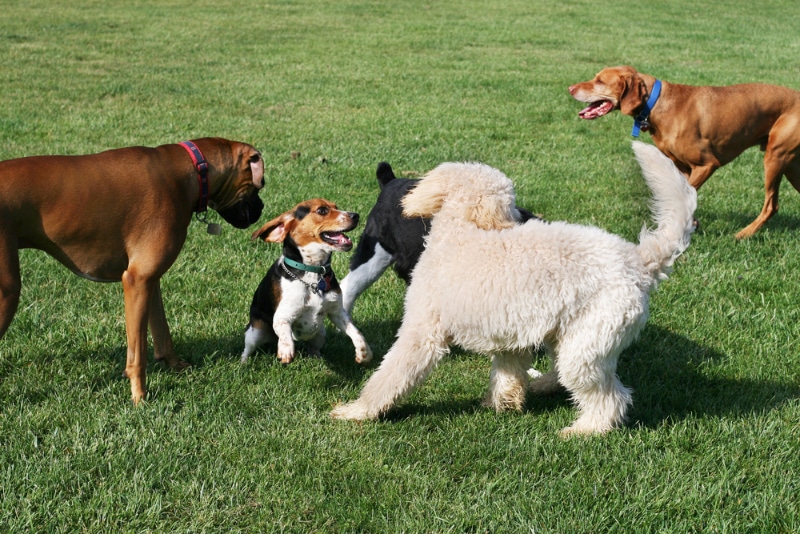
Arrange one-on-one playdates with calm dogs
-
Visit pet-friendly stores during off-hours
-
Take short walks in quiet neighborhoods
-
Introduce household noises (vacuum, hairdryer) at low volume
-
Practice handling exercises (ears, paws, collar) gently
Controlled, predictable environments offer better learning opportunities than chaotic, uncontrolled situations.
When to Seek Professional Guidance
If your puppy shows ongoing signs of fear or stress during socialization, consult a certified dog trainer or behaviorist. Early intervention can prevent the development of more serious behavior issues.
Unlock your dog’s full potential with Off Leash K9 Training – San Antonio. As part of the top-rated dog training company in the U.S., we offer expert training that helps dogs of all breeds, sizes, and ages achieve exceptional obedience without a leash. Explore our personalized training programs and discover how we can strengthen the bond between you and your canine companion. Contact us today at (210) 529-8681 to get started on your journey to a well-trained, off-leash pup!