
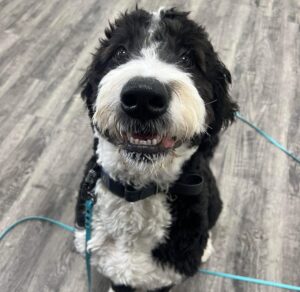
 Knowing how to potty train a puppy in an apartment starts with one important difference: you do not have the convenience of opening a back door to a private yard. Every bathroom break may involve planning, an elevator ride, stairs, or a walk down a long hallway. For apartment dwellers, successful potty training depends on a consistent routine, close supervision, a designated potty area, and immediate rewards for the right behavior.
Living in an apartment can create challenges that are less common in homes with private yards. Shared outdoor areas, building rules, limited grass access, and San Antonio’s hot weather can all affect how you plan potty breaks. Whether you are raising a young puppy for the first time or trying to establish better routines after moving into an apartment, the basic principles remain the same: give your puppy frequent opportunities to succeed, prevent accidents when you cannot supervise, and reward appropriate elimination immediately.
A useful starting point is to offer frequent potty opportunities based on your puppy’s age and individual needs. The American Kennel Club’s puppy potty-training guidance also emphasizes consistency, supervision, predictable routines, and positive reinforcement.
This guide focuses on puppies roughly 8–16 weeks old living in apartments or condos. It covers potty schedules, indoor and outdoor options, crate and confinement strategies, accidents, apartment-specific challenges, and when professional puppy training may be helpful.
Understanding Apartment Potty Training
The basic process of potty training does not change because you live in an apartment. What changes is the time and distance between your puppy’s living area and the designated potty spot. In a house with a yard, getting outside may take only a few seconds. In an apartment, you may need to put on a leash, get through a hallway, wait for an elevator, cross a lobby, and reach an appropriate outdoor area. That extra travel time makes planning especially important with a young puppy. The goal is to teach your puppy where and when to eliminate while managing the environment so accidents are less likely. For apartment owners who cannot always reach an outdoor area quickly, the AKC’s guidance on indoor potty training explains how a designated indoor potty area can be incorporated into a consistent routine.Puppy Bladder Development
Young puppies need frequent bathroom opportunities because bladder control is still developing. Age can provide a rough starting point, but there is no exact schedule that works for every puppy. Puppies may need to go more frequently when they are awake, active, excited, drinking, eating, or playing. Common potty triggers include:- Immediately after waking
- After naps
- After meals
- After drinking
- After active play
- After training
- Before and after crate time
- Before bedtime
- Whenever your puppy shows signs that they need to eliminate
Watch Your Puppy, Not Just the Clock
A schedule is helpful, but your puppy’s behavior is an equally important guide. Sniffing, circling, pacing, wandering toward a door, suddenly stopping play, or squatting can indicate that it is time for a potty break. In an apartment, do not wait until the last possible moment. If it takes several minutes to reach the designated area, build that travel time into your routine.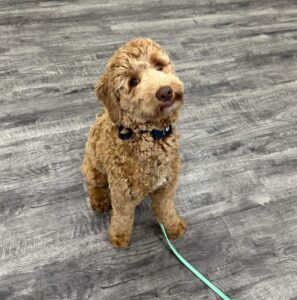
Choose a Potty Setup That Fits Your Apartment
Before starting, decide where you want your puppy to eliminate. Your long-term goal, apartment layout, schedule, and access to safe outdoor areas should all influence the decision. There are three common approaches.Option 1: Outdoor Potty Training
With an outdoor-only approach, your puppy learns that bathroom trips happen outside. This can provide a clear long-term rule, but it requires reliable access to an appropriate outdoor location and enough time to get there before an accident occurs. Outdoor training may work especially well when:- Your apartment has quick access to a safe potty area
- You can provide frequent bathroom breaks
- Your schedule allows for close supervision
- Your puppy can safely access the area based on your veterinarian’s advice
Option 2: Indoor Potty Area
An indoor potty area can be useful when immediate outdoor access is difficult. Depending on your apartment and building rules, options may include puppy pads or a designated indoor potty station. The important part is consistency. Choose one location and make it easy for your puppy to reach. Indoor potty training may be particularly useful when:- Your puppy is very young
- Your apartment is several floors up
- Elevator trips take significant time
- Your veterinarian recommends limiting exposure to public dog areas
- Your schedule occasionally prevents immediate outdoor access
Option 3: A Hybrid Approach
Some apartment owners use both indoor and outdoor potty areas. This can provide flexibility, but it also requires clear boundaries. If you eventually want your puppy to potty outdoors, consistently reward outdoor elimination and maintain a predictable outdoor routine. As your puppy becomes more reliable, you can gradually reduce reliance on the indoor option. Do not assume that one approach is automatically best for every apartment. Choose the setup you can maintain consistently.Step-by-Step Potty Training Routine
Once you have selected your potty area, establish a predictable routine.Step 1: Take Your Puppy to the Potty Area at Predictable Times
Start with frequent potty opportunities and adjust the schedule based on your puppy’s behavior. Important times include:- Immediately after waking
- After naps
- Shortly after meals
- After drinking
- After active play
- After training
- Before and after crate time
- Before bedtime
Step 2: Go Directly to the Potty Area
When it is time to potty, avoid turning the trip into a long walk before your puppy has eliminated. In an apartment, have the leash, shoes, waste bags, and other essentials ready near the door. If the building has a long hallway or elevator ride, prepare before your puppy reaches the point of urgency. For very young puppies, carrying them through the building may help prevent accidents along the way when appropriate and practical.Step 3: Use a Consistent Potty Cue
Choose a simple verbal cue such as “go potty.” Say it calmly when your puppy begins eliminating. Over time, your puppy can learn to associate the phrase with the behavior.Step 4: Reward Immediately
Once your puppy finishes in the correct location, reward the behavior immediately with praise, a treat, or another reward your puppy finds motivating. The timing matters. The closer the reward is to the desired behavior, the easier it is for your puppy to understand what earned it.Step 5: Keep a Potty Log
For the first few weeks, write down when your puppy:- Eats
- Drinks
- Sleeps
- Plays
- Goes potty
- Has an accident
Crate, Playpen, and Supervision
Supervision is one of the most important parts of apartment potty training. When you cannot watch your puppy, use an appropriate confinement setup rather than allowing unrestricted access to the apartment. A properly introduced, appropriately sized crate can help with rest and brief periods when you cannot supervise. Arrange bathroom breaks before your puppy needs to eliminate. If you will be away longer than your puppy can comfortably manage, arrange help or use a safe playpen with a separate potty area. VCA’s crate-training guidance explains how crate confinement can support safe management and house training when used appropriately. The crate should provide enough room for your puppy to stand comfortably, turn around, lie down, and stretch. If you use a divider in a larger crate, adjust it as your puppy grows. A playpen can provide another management option when you need your hands free. If you use an indoor potty area, keep the potty location clearly separated from the puppy’s sleeping area. If you want additional guidance on crate routines beyond potty training, you can also review this guide to crate training your dog for travel and daily use. As your puppy becomes more reliable, gradually increase freedom rather than giving access to the entire apartment at once.Handling Accidents
Accidents are part of the learning process. The goal is to prevent them when possible and respond appropriately when they happen. Do not punish your puppy for an accident. Instead, clean the area thoroughly, adjust your supervision or schedule, and give your puppy another opportunity to succeed. The AKC’s potty-training guidance recommends focusing on supervision, consistency, and rewarding correct elimination rather than punishing accidents.If You Catch Your Puppy in the Act
If you notice your puppy beginning to eliminate indoors, calmly interrupt and move them to the appropriate potty area when you can do so safely. If they finish in the correct location, reward them. Avoid yelling, rubbing their nose in the accident, or creating fear around elimination.Clean Accidents Thoroughly
Use an appropriate enzymatic cleaner designed for pet accidents. Removing lingering odor can help reduce the likelihood that your puppy will return to the same location. During the early stages, temporarily remove rugs, bathmats, and other absorbent surfaces that your puppy may mistake for acceptable potty areas.
Apartment-Specific Potty Training Problems
Puppy Has an Accident in the Hallway or Elevator
The distance to the potty area can be the biggest apartment-specific challenge. To reduce the risk:- Leave for potty breaks before your puppy becomes desperate
- Keep your leash and supplies near the door
- Carry very young puppies when appropriate
- Use the same route when practical
- Know the fastest approved potty location in your building
- Keep cleaning supplies available for unexpected accidents