
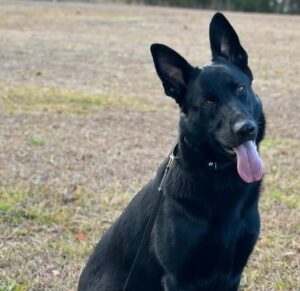
You’re halfway through a walk when your dog suddenly grabs the leash in their mouth. They start tugging, jumping, or shaking their head as though the leash is a toy. You try to keep walking, but your dog pulls harder, turning an ordinary outing into a frustrating struggle.
Leash biting can happen with puppies, adolescent dogs, and adults. Some dogs do it when excited, while others become frustrated, overwhelmed, or uncomfortable during walks.
To stop a dog from biting the leash during walks, identify what triggers the behavior, avoid turning leash grabbing into a tugging game, reward calm walking, and teach your dog an appropriate alternative response. Short training sessions in low-distraction environments can help build better habits before returning to busier routes.
For dog owners in San Antonio, Texas, understanding leash biting can make neighborhood walks safer and more enjoyable.
Why Do Dogs Bite Their Leashes During Walks?
Dogs grab their leashes for different reasons. Before trying to change the behavior, pay attention to when it happens and what your dog is experiencing.
Excitement Before or During Walks
Some dogs become highly excited as soon as they see their leash.
They may jump, spin, bark, or grab the leash while waiting to go outside.
The behavior can continue after the walk begins, especially if the dog has not learned how to settle before leaving the house.
For these dogs, leash biting may be part of a broader pattern of overexcitement.
Frustration When Movement Is Restricted
Dogs sometimes bite the leash when they cannot move toward something they want.
For example, your dog may notice another dog, an interesting smell, or a person across the street.
If the leash prevents them from approaching, they might grab and tug at it.
This does not automatically mean your dog is aggressive. Frustration and excitement can contribute to the behavior.
However, the underlying motivation matters when deciding how to respond.
Overstimulation From the Environment
Busy environments can overwhelm some dogs.
Traffic, unfamiliar people, other animals, and loud noises may increase their arousal.
A dog that initially walks calmly might begin grabbing the leash after several challenging encounters.
Watch for other signs of stress, such as pacing, intense scanning, difficulty responding to familiar cues, or repeated attempts to move away.
Playful Behavior
Some dogs discover that pulling on the leash creates an interesting interaction with their owner.
When the owner pulls back, the activity can resemble a game of tug.
If the dog enjoys tugging, they may repeat the behavior.
Discomfort or Equipment Problems
An uncomfortable harness, collar, or leash setup may contribute to unwanted behavior.
Check for:
- Rubbing or irritation
- Poorly fitting equipment
- Tangled straps
- Excessive pressure
- Restricted movement
- Signs of pain during handling
If leash biting appears suddenly or is accompanied by discomfort, consult your veterinarian.
Training should not be used to ignore potential medical problems.

How to Stop a Dog From Biting the Leash During Walks: 7 Training Steps
Successful leash training begins by making the desired behavior clear and reducing opportunities for your dog to rehearse leash biting.
Step 1: Identify Your Dog’s Leash-Biting Triggers
Observe when your dog starts grabbing the leash.
Consider whether it happens:
- Before leaving the house
- Immediately after the walk begins
- When approaching another dog
- After passing a loud vehicle
- When you stop moving
- Near the end of a long walk
- When your dog becomes tired or frustrated
Look for patterns.
For example, a dog that bites the leash only when another dog approaches may need help managing frustration or reactivity.
A dog that grabs the leash while getting ready for a walk may benefit from calmer departure routines.
Identifying the trigger helps you choose an appropriate training strategy.
Step 2: Practice Calm Behavior Before Leaving Home
If your dog becomes excited when you pick up the leash, begin training before the walk starts.
Practice the following routine:
- Pick up the leash while your dog is calm.
- Reward your dog for remaining on the floor.
- Put the leash down.
- Repeat several times.
- Gradually practice attaching the leash.
- Reward calm behavior before approaching the door.
Keep the exercises short.
If your dog starts jumping or grabbing the leash, pause and wait for a calmer moment.
You do not need to demand a long Sit or Stay immediately.
Begin by rewarding small improvements, such as keeping four paws on the floor while the leash is attached.
Step 3: Teach Loose-Leash Walking in a Quiet Environment
A dog that understands how to walk with a relaxed leash has a clearer alternative to pulling and grabbing.
Start indoors or in a quiet, securely enclosed area.
Practice these steps:
- Attach your dog’s leash comfortably.
- Stand still and reward your dog for remaining near you.
- Take one or two steps.
- Reward your dog if the leash stays loose.
- Continue walking for a few more steps.
- Gradually increase the distance.
If the leash becomes tight, pause and encourage your dog to return toward you before continuing.
Avoid jerking the leash.
The American Kennel Club’s guidance on leash tugging and biting recommends reinforcing loose-leash walking as an important foundation for reducing leash-grabbing behavior.
Step 4: Avoid Turning Leash Biting Into a Tugging Game
When your dog grabs the leash, pulling hard in the opposite direction may make the behavior more exciting.
Instead:
Remain as calm as possible and maintain a secure hold on the leash. If you are in a safe location, stop walking and avoid pulling back in a way that turns the interaction into a tugging game. Keep your dog away from traffic and other hazards. When your dog can respond, calmly redirect them to a familiar behavior and reward the appropriate response. If the behavior escalates, prioritize moving to safety rather than continuing the exercise.
If your dog has a reliable Drop It cue, you can use it calmly.
Reward your dog when they release the leash.
Do not forcefully pull the leash from their mouth, particularly if doing so could cause injury.
If the behavior becomes intense or you cannot maintain safe control, move to a safer location and end the training attempt.
Step 5: Teach an Alternative Behavior
Dogs learn more effectively when they understand what to do instead of biting the leash.
Useful alternatives include:
- Looking toward you
- Walking beside you
- Responding to their name
- Following a familiar movement cue
- Holding an appropriate toy
- Taking a brief sniffing break
Begin teaching these behaviors when your dog is calm.
For example, practice rewarding your dog whenever they voluntarily look toward you during a quiet walk.
Once that response becomes reliable, gradually introduce mild distractions.
Some dogs benefit from carrying an appropriate toy during a walk.
The toy should be safe, easy to carry, and unlikely to interfere with breathing or walking.
Do not introduce a toy if it increases excitement or creates guarding behavior.
Step 6: Increase Distance From Exciting or Stressful Triggers
If leash biting happens around other dogs, people, vehicles, or other distractions, create more space.
For example, if your dog starts grabbing the leash whenever another dog approaches, move farther away before the reaction becomes intense.
Practice at a distance where your dog can notice the distraction while remaining calm enough to respond.
Reward appropriate behavior.
Gradually introduce more challenging situations as your dog improves.
Avoid forcing your dog into environments where they repeatedly become overwhelmed.
The Best Friends Animal Society’s resource on leash reactivity explains why managing distance and avoiding escalating frustration are important during behavior training.
Step 7: Practice Short, Successful Walks
Do not expect immediate improvement during long walks through busy areas.
Begin with shorter sessions that allow your dog to succeed.
For example:
- Practice five minutes of loose-leash walking in a quiet area.
- Reward calm attention.
- Allow appropriate sniffing breaks.
- End the session before your dog becomes overwhelmed.
Gradually increase the duration and difficulty.
The goal is to help your dog develop a predictable walking routine rather than repeatedly correcting the same behavior.
What Should You Do When Your Dog Grabs the Leash Mid-Walk?
If your dog suddenly begins biting the leash, prioritize safety.
Stop moving when safe.
Avoid pulling the leash into a tugging match.
Observe your surroundings.
Is another dog approaching? Has a loud vehicle just passed? Is your dog trying to move away from something?
If a trigger is present, calmly create distance.
If your dog can still respond to familiar cues, ask for an easy behavior and reward the response.
If they are too excited or distressed to respond, focus on reducing stimulation rather than insisting on obedience.
Once your dog settles, you can decide whether to continue the walk or return home.
A successful response does not always mean completing the original route.
Sometimes ending an overwhelming walk is the better choice.
How to Teach Your Dog to Drop the Leash
A reliable Drop It cue can help when your dog grabs the leash or another appropriate object.
However, teach the cue separately before using it during walks.
Start With a Toy
Choose a toy your dog enjoys but does not guard.
Let your dog hold it briefly.
Offer a high-value treat near their nose.
When they release the toy, mark the behavior and reward them.
Return the toy when appropriate.
Repeat several times.
Add a Verbal Cue
Once your dog consistently releases the toy during the exchange, say “Drop It” just before presenting the treat. Mark and reward the release. With practice, begin giving the verbal cue before reaching for the reward, gradually teaching your dog to respond without seeing food first.
Practice With Different Objects
Use several safe toys.
Keep the exercises easy.
Do not practice with dangerous objects or items your dog may guard.
Transfer the Skill to Walks
Once Drop It is reliable indoors, practice in a quiet outdoor environment.
Only introduce more distractions when your dog responds consistently.
Remember that Drop It is a supporting skill. It does not replace addressing the cause of leash biting.
How to Prevent Leash Biting Before Walks
Prevention can be easier than responding after your dog becomes excited.
Check Your Dog’s Equipment
Make sure the collar or harness fits properly and does not cause irritation or restrict normal movement. Inspect the leash for fraying, damaged clips, or weakened material caused by repeated chewing, and replace damaged equipment before your next walk.
Establish a Predictable Departure Routine
Practice calm behavior while preparing for a walk.
Avoid creating unnecessary excitement around picking up the leash.
Provide Appropriate Enrichment
Dogs benefit from physical activity and opportunities to explore their environment.
Sniffing, play, and short training sessions can support a balanced routine.
However, more exercise alone may not resolve leash biting if frustration, discomfort, or fear is involved.
Choose Manageable Walking Environments
Start with quieter routes.
Gradually introduce busier locations as your dog becomes more comfortable and responsive.
Leash Biting vs. Leash Reactivity: What’s the Difference?
Leash biting and leash reactivity can occur together, but they are not identical.
Leash biting describes grabbing, chewing, or tugging on the leash.
Leash reactivity describes an unusually intense response to a trigger while on leash, such as barking, lunging, freezing, or growling.
A dog may bite the leash during playful excitement without showing reactivity toward people or other dogs.
Another dog may grab the leash because they are frustrated by an approaching dog.
The distinction matters because training should address the underlying motivation.
If your dog becomes fearful, aggressive, or highly distressed around triggers, consider professional behavioral guidance.
Common Mistakes When Trying to Stop Leash Biting
Pulling Harder When Your Dog Grabs the Leash
Pulling back can turn the interaction into a game or increase frustration.
Use calm management and teach an alternative response.
Repeating Commands When Your Dog Is Overwhelmed
A dog that is highly excited or distressed may struggle to respond to familiar cues.
Create distance and reduce the difficulty.
Practicing Only in Busy Environments
Dogs need opportunities to learn skills without major distractions.
Begin somewhere quiet before expecting reliable behavior on crowded sidewalks.
Using Punishment to Stop the Behavior
Shouting, forceful leash corrections, or physically intimidating your dog may increase stress.
Focus on appropriate management and reinforcing desired behavior.
Ignoring Signs of Discomfort
If your dog suddenly begins biting the leash, check their equipment and physical comfort.
Seek veterinary guidance if pain or illness may be involved.
Training Better Leash Manners in San Antonio, Texas
San Antonio offers many environments for walking dogs, from residential neighborhoods to busier public spaces.
Dogs may encounter:
- Other dogs
- People walking or jogging
- Bicycles
- Vehicles
- Unfamiliar sounds
- Wildlife scents
- Busy intersections
For owners in San Antonio, Helotes, Leon Valley, Alamo Heights, and nearby communities, the most useful training approach is gradual.
Start Close to Home
Practice loose-leash walking in a familiar environment.
Reward calm behavior and attention.
Introduce One Distraction at a Time
Do not immediately move from a quiet yard to a crowded public area.
Increase difficulty only when your dog is comfortable.
Allow Appropriate Sniffing Breaks
Sniffing is a normal and valuable activity for dogs.
A structured walk does not require constant formal heeling.
When safe, allow your dog opportunities to explore without pulling.
The VCA Animal Hospitals’ guidance on play and exercise explains the value of appropriate sniffing and enrichment during walks.
Consider Weather Conditions
San Antonio’s hot weather can make walks uncomfortable.
Choose appropriate times, provide access to water, and avoid hot pavement.
If your dog appears overheated or distressed, end the walk and address their safety.
Discomfort can make it harder for dogs to remain calm and responsive.
How Long Does It Take to Stop a Dog From Biting the Leash?
There is no fixed training timeline.
Some dogs improve after several consistent sessions. Others need longer, especially when leash biting is associated with intense excitement, frustration, or reactivity.
Progress depends on factors such as:
- Your dog’s age
- The reason for leash biting
- Previous training experience
- The frequency of the behavior
- Your walking environment
- How consistently you practice
- Whether medical discomfort is involved
Look for gradual improvements.
For example:
- Your dog grabs the leash less frequently.
- Leash-biting episodes become shorter.
- Your dog responds more reliably to their name.
- Your dog walks calmly for longer periods.
- Your dog recovers more quickly after encountering distractions.
These changes can indicate progress even if occasional setbacks occur.
When Should You Seek Professional Dog Training?
Consider additional guidance if your dog:
- Bites the leash during nearly every walk
- Becomes difficult to control
- Redirects biting toward your hands or clothing
- Growls or snaps when you approach the leash
- Reacts intensely to people or other dogs
- Appears frightened or distressed
- Suddenly develops the behavior without an obvious cause
A veterinarian can help rule out discomfort or medical concerns when appropriate.
A qualified trainer or behavior professional can help identify the triggers and develop a manageable training plan.
For more information about foundational obedience, explore dog obedience training in San Antonio.
Frequently Asked Questions About Dogs Biting the Leash
Why does my dog bite the leash when we walk?
Dogs may bite their leashes because of excitement, frustration, playful behavior, overstimulation, or discomfort. The timing and surrounding environment can help identify the cause.
How do I stop my dog from biting and pulling the leash?
Begin with loose-leash walking practice in a quiet environment, avoid pulling back during leash-grabbing episodes, and reward calm alternative behaviors.
Is leash biting a sign of aggression?
Not necessarily. Many dogs bite their leashes during excitement or frustration. However, growling, snapping, or redirected biting toward people warrants professional assessment.
Should I let my dog carry a toy during walks?
Some dogs benefit from carrying an appropriate toy. It may provide an alternative to grabbing the leash, but the toy should not create additional excitement or interfere with safe walking.
Can puppies grow out of leash biting?
Some puppies become less mouthy as they mature, but learned leash-biting habits may continue without consistent training.
How long does it take to stop leash biting?
The timeline varies depending on the cause and how consistently training is practiced. Some dogs improve relatively quickly, while others need longer-term behavior modification.
What if my dog bites the leash only around other dogs?
Your dog may be experiencing excitement, frustration, fear, or another emotional response. Increase distance from other dogs and practice calm behavior in manageable situations.
Build Better Walking Habits Through Consistent Training
Leash biting can make walks frustrating, but it is often a behavior that improves when owners understand what triggers it.
Start by observing when your dog grabs the leash.
Practice calm departure routines, reinforce loose-leash walking, teach useful alternative behaviors, and gradually increase distractions.
Avoid turning the leash into a tugging toy, and pay attention to signs of stress or discomfort.
For dog owners in San Antonio, Texas, better leash manners can make everyday walks more manageable and help dogs respond more consistently around distractions.
If leash biting is part of a broader obedience or behavior challenge, review dog training services in San Antonio or contact the San Antonio training team to discuss your dog’s needs and available options.