
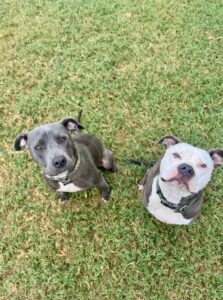
You open the back door and call your dog inside. They look at you, pause for a moment, and then return to sniffing the grass. You call again. This time, they move farther into the yard, almost as though they know exactly what you’re asking and have decided to ignore it.
If your dog won’t come inside when called, the problem may not be stubbornness. Your dog may find the backyard more rewarding than coming indoors, or they may have learned that responding to your call always means outdoor fun is over.
To get your dog to come inside when called, practice recall in easy environments, reward your dog generously for approaching you, and regularly call them without immediately ending outdoor time. Gradually increase distractions as your dog becomes more reliable.
For dog owners in San Antonio, Texas, these exercises can help make backyard routines safer and less frustrating.
Why Won’t My Dog Come Inside When Called?
Dogs ignore recall cues for different reasons.
Understanding what makes your backyard more attractive than coming indoors can help you choose an appropriate training strategy.
Coming Inside Means the Fun Ends
This is one of the most common reasons dogs hesitate to return indoors.
Your dog may spend time outside:
- Sniffing interesting scents
- Exploring the yard
- Watching birds or squirrels
- Playing with toys
- Enjoying the weather
- Investigating neighborhood activity
If you call your dog only when it’s time to go inside, the recall cue may become associated with losing access to these activities.
Over time, your dog may hesitate because staying outside is more rewarding.
The solution is to teach your dog that coming when called can lead to good things, including opportunities to continue playing.
Your Dog Has Not Practiced Recall Around Distractions
A dog that responds perfectly in the living room may struggle in the backyard.
Outside, there are competing sights, sounds, and smells.
Your dog might hear traffic, notice wildlife, or become interested in a neighboring dog.
These distractions make recall more challenging.
Dogs need practice in different environments before owners can expect consistent responses.
The Recall Cue Has Been Repeated Too Often
Some owners repeatedly call their dogs without receiving a response.
For example:
“Come!”
“Come here!”
“Come on!”
“Come inside!”
If the dog regularly hears the cue without responding, the word may lose its usefulness.
Instead of repeating the command, return to easier training exercises where your dog can succeed.
Your Dog Has Learned to Avoid Being Caught
Some dogs approach the door but move away when their owner reaches toward their collar.
This can happen when being caught consistently predicts something unpleasant or the end of an enjoyable activity.
If your dog backs away when you reach for them, collar handling should become a separate training exercise.
Your Dog Is Distracted, Uncomfortable, or Frightened
Sometimes the problem is not the recall cue itself.
Your dog may avoid entering because something indoors makes them uncomfortable.
Possible examples include:
- Loud household noises
- Slippery flooring
- An unfamiliar visitor
- Another animal near the doorway
- A previous unpleasant experience
If your dog suddenly refuses to enter a home they previously entered comfortably, investigate possible environmental or medical causes.
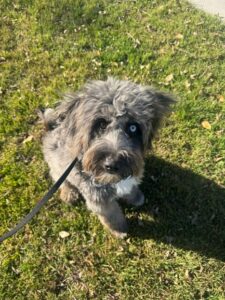
How to Get Your Dog to Come Inside When Called: 7 Training Steps
Reliable recall develops through repetition, appropriate rewards, and gradual increases in difficulty.
Start with easy exercises before attempting to recall your dog from a distracting backyard.
Step 1: Choose One Consistent Recall Cue
Select a clear word such as “Come” or “Here.”
Use the same cue consistently.
Avoid switching between several commands during the same training session.
If your dog has repeatedly ignored an old recall word, consider introducing a new cue and teaching it from the beginning.
Keep your tone friendly and inviting.
You want your dog to associate the cue with an enjoyable interaction.
Step 2: Practice Recall Indoors First
Begin in a quiet room where your dog has few distractions.
Follow these steps:
- Stand a short distance from your dog.
- Wait until they are paying some attention to you.
- Say their name followed by the recall cue.
- Encourage them to approach.
- Mark the moment they reach you.
- Reward immediately with a treat, toy, or other appropriate reinforcement.
Repeat several times.
Initially, keep the distance short enough that your dog succeeds easily.
As your dog improves, practice from different positions around the room.
Avoid calling your dog when they are deeply focused on something else during early training.
The American Kennel Club’s reliable recall guide recommends beginning in low-distraction environments and gradually increasing difficulty.
Step 3: Make Coming to You Worthwhile
Recall should produce something your dog values.
For some dogs, a favorite treat is highly rewarding.
Others may prefer:
- A short game
- Praise and attention
- A favorite toy
- An opportunity to sniff
- Permission to return to an enjoyable activity
Experiment with appropriate rewards.
When your dog responds promptly, reinforce that choice.
Early recall practice is not the time to be overly restrictive with rewards.
Your goal is to establish a strong association between responding to the cue and positive outcomes.
Step 4: Practice Near the Back Door
Once your dog responds reliably indoors, begin practicing around the doorway.
Start with your dog inside the house.
Call them toward you from a short distance near the back door.
Reward successful responses.
Next, practice with the door open while your dog remains safely controlled.
If your yard is not completely secure, use a properly fitted harness and leash.
Gradually introduce the outdoor environment.
You might begin with your dog standing just outside the doorway before practicing from farther into the yard.
Keep early sessions simple.
Step 5: Use a Long Line for Backyard Recall Training
A long training line can provide additional safety while your dog learns.
Attach it to an appropriately fitted harness.
Choose a length suitable for your space and ability to handle it safely.
Practice in a secure, low-distraction area.
How to practice:
- Allow your dog to explore within the line’s safe range.
- Wait until they are not intensely distracted.
- Give your recall cue once.
- Reward them when they approach.
- Release them to continue exploring when appropriate.
Keep the line from becoming tangled around people, pets, or obstacles.
Do not use it to jerk your dog toward you.
If your dog ignores the cue, reduce the difficulty rather than repeatedly pulling or calling.
Never leave a dog unattended while attached to a long line.
Step 6: Call Your Dog and Let Them Go Back Outside
This is especially important for dogs that associate recall with the end of outdoor fun.
During a supervised backyard session:
- Allow your dog to explore.
- Call them toward you.
- Reward them when they arrive.
- Pause briefly.
- Give a release cue.
- Allow them to resume an appropriate outdoor activity.
Repeat occasionally.
Your dog begins learning that coming when called does not always mean going indoors permanently.
Sometimes the reward for returning is another opportunity to explore.
This can help make the recall cue more appealing.
Step 7: Gradually Practice the Complete Come-Inside Routine
Once your dog responds consistently near the door, begin practicing the entire sequence.
For example:
- Your dog is exploring the backyard.
- You stand near the doorway.
- You give the recall cue once.
- Your dog approaches the doorway after hearing the recall cue.
- You reward their response and calmly invite them to enter.
- When all four paws are inside, reward them again with a treat, praise, or an enjoyable indoor activity.
- During some practice sessions, allow your dog to return outside after successfully coming indoors, provided the yard is secure and conditions are safe.
Keep the experience positive.
Your dog might receive a chew toy, settle comfortably, or participate in another enjoyable activity after entering.
Gradually practice from different backyard locations.
Do not immediately expect success when squirrels, other dogs, or exciting distractions are nearby.
Build reliability over time.
What Should You Do if Your Dog Ignores You in the Backyard?
If your dog does not respond, avoid repeatedly shouting the same cue.
First, consider whether the environment is too distracting.
Your dog may be intensely focused on a scent or something moving nearby.
If you can safely approach them, move closer and try an easier exercise.
Use an appropriate reward to encourage them toward you.
If your dog is attached to a long line, maintain safe control without forcefully pulling.
If the situation is not urgent, reduce the training difficulty and practice again later.
Do not chase your dog around the yard.
Some dogs interpret chasing as an enjoyable game.
If your dog begins running away whenever you approach, work separately on calm handling and voluntary approaches.
How to Stop Your Dog From Running Away When You Approach
A dog that comes close but avoids being caught may need additional training.
Practice Collar Touches
Begin indoors.
Gently touch your dog’s collar or harness and immediately reward them.
Release your hand.
Repeat until your dog remains comfortable.
Gradually practice briefly holding the collar.
Do not grab suddenly.
The goal is to teach your dog that being approached and handled predicts something positive.
Avoid Ending Every Interaction
Sometimes touch your dog’s collar, reward them, and allow them to continue an enjoyable activity.
This helps prevent collar handling from always predicting confinement or the end of play.
Use Calm Body Language
Avoid leaning over your dog aggressively or reaching suddenly.
Approach in a relaxed manner.
If your dog appears fearful, stop and seek qualified guidance.
Recall Games That Help Dogs Come Inside
Training does not need to consist entirely of formal commands.
Simple games can strengthen your dog’s motivation to approach you.
The Find Me Game
Begin indoors.
Move into another room while your dog is nearby.
Call them once.
Reward them when they find you.
Gradually increase the difficulty.
The Back-and-Forth Recall Game
Ask another family member to help.
Stand a short distance apart.
Take turns calling your dog.
Reward successful recalls.
Keep the game controlled so your dog does not become overly excited.
The Reward-and-Release Game
Call your dog during a supervised outdoor session.
Reward their return.
Then release them to continue exploring.
This exercise is especially useful for dogs that hesitate because coming inside usually ends the fun.
For more recall-training variations, see the AKC’s step-by-step recall guide.
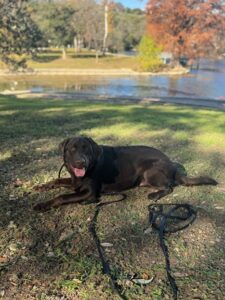
Common Recall Training Mistakes
Calling Only When Outdoor Time Is Over
If coming to you consistently ends enjoyable activities, your dog may become less willing to respond.
Practice recalls throughout outdoor sessions.
Repeating the Cue
Repeated commands can weaken the meaning of your recall word.
Call once when your dog is likely to respond, then adjust the exercise if needed.
Punishing Your Dog After They Return
Never punish your dog for finally approaching you.
Even if they responded slowly, punishment may create a negative association with coming to you.
Practicing Around Too Many Distractions
Start in easy environments.
Gradually introduce more challenging conditions.
Expecting Perfect Recall
No dog is completely predictable in every environment.
Continue using appropriate containment and leash management when safety requires it.
How Long Does It Take to Teach a Dog to Come Inside?
There is no universal timeline.
Some dogs begin responding more consistently after several short sessions.
Others need weeks or longer, particularly if they have repeatedly ignored recall cues or strongly associate returning indoors with losing access to outdoor activities.
Factors influencing progress include:
- Previous recall training
- The dog’s age and temperament
- The rewards being used
- The number of outdoor distractions
- Consistency between family members
- Whether the dog has developed avoidance habits
Rather than focusing only on speed, monitor practical improvements.
For example:
- Your dog looks toward you more quickly.
- They approach from farther away.
- They stop avoiding collar handling.
- They return even when mild distractions are present.
- They begin entering the house without hesitation.
Backyard Recall Training in San Antonio, Texas
Backyards throughout San Antonio, Helotes, Leon Valley, Alamo Heights, and nearby communities can provide useful practice environments.
However, outdoor conditions can make training more challenging.
Practice During Cooler Parts of the Day
San Antonio can experience intense heat.
Choose comfortable times for training, provide access to water, and avoid prolonged activity during dangerous temperatures.
Short sessions are often sufficient.
Manage Wildlife Distractions
Birds, squirrels, and other animals can attract your dog’s attention.
Do not begin recall training immediately beside a strong distraction.
Start at a greater distance and gradually increase difficulty.
Check Your Fence
Make sure the yard is secure before allowing your dog to explore.
Inspect gates and potential escape points.
Do not rely exclusively on a recall command to prevent a dog from leaving an unsecured property.
Keep Sessions Positive
Use rewards your dog enjoys.
Practice regularly without making every session a test of obedience.
When Should You Consider Professional Dog Training?
Consider professional guidance if your dog:
- Regularly ignores recall cues
- Runs away when approached
- Attempts to escape the yard
- Becomes fearful during handling
- Reacts strongly to outdoor distractions
- Cannot be safely managed during training
- Shows sudden behavior changes
A qualified professional can help identify whether the challenge involves training history, distraction levels, fear, or another concern.
For additional information about foundational obedience, explore dog obedience training in San Antonio.
Frequently Asked Questions About Dogs Not Coming Inside
Why does my dog refuse to come inside when called?
Your dog may find outdoor activities more rewarding or associate coming indoors with the end of play. Insufficient recall practice around distractions can also contribute.
How do I get my dog to come inside without chasing them?
Practice recall with appropriate rewards in easy environments. Avoid chasing, reinforce voluntary approaches, and use a leash or long line when necessary for safe management.
Should I give my dog treats every time they come inside?
Rewards are particularly important during early training. As the behavior becomes more reliable, you can vary appropriate rewards while continuing to reinforce successful recalls.
Why does my dog come when called indoors but not outside?
Outdoor environments contain more distractions. Dogs need gradual practice in different locations before responding consistently.
Can an older dog learn to come inside when called?
Yes. Older dogs can learn new recall routines, although established habits may require additional repetition.
What if my dog runs away when I reach for their collar?
Practice gentle collar handling separately. Reward calm responses and avoid sudden grabbing. Seek qualified help if your dog appears fearful or defensive.
Is it safe to let my dog practice recall without a leash?
Only practice off-leash when the environment is appropriately secure and safe. A long line attached to a suitable harness can provide additional control during training.
Make Coming Inside a Positive Part of Your Dog’s Routine
If your dog won’t come inside when called, the solution usually involves more than repeating the command.
Focus on building a positive association with recall.
Start in quiet environments, reward successful responses, and practice calling your dog without always ending outdoor activities.
Gradually introduce backyard distractions and continue reinforcing calm approaches and comfortable handling.
With consistent practice, your dog can learn that coming inside is a predictable and rewarding part of daily life.
If you need guidance with recall, obedience, or behavior around distractions, explore dog training services in San Antonio or contact the San Antonio training team to discuss your dog’s needs and available training options.