
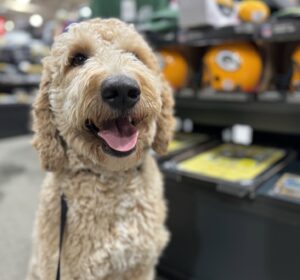
Learning how to stop puppy biting is one of the first challenges many new puppy owners face. Those sharp little teeth can make play uncomfortable, especially when your puppy targets hands, feet, clothing, or children’s legs.
The good news is that puppy biting, mouthing, and nipping are common parts of early development. Puppies use their mouths during play, exploration, and teething, but not every biting incident has the same cause. Understanding why your puppy is biting helps you choose the right response.
Here’s the direct answer: you can reduce puppy biting by managing your puppy’s environment and arousal, redirecting teeth to appropriate toys, teaching gentle mouth behavior, and consistently removing attention when biting becomes too rough. Puppy biting usually decreases as puppies mature and learn appropriate ways to play and interact, but the timeline varies from dog to dog.
This guide explains what to do when your puppy bites, how to use toys and short breaks effectively, how teething and tiredness can affect biting, and when professional help may be appropriate.
Why Do Puppies Bite?
Puppies bite for several reasons. Play, exploration, teething, excitement, frustration, and tiredness can all contribute to mouthing and nipping.
Normal Puppy Mouthing
Puppies naturally use their mouths to explore objects and interact during play. They also learn about appropriate bite pressure through interactions with their mother and littermates.
Although mouthing is common during puppy development, repeated hard biting, stiff body language, guarding, or biting associated with fear or pain should be evaluated by a veterinarian or qualified behavior professional.
Teething Can Increase Chewing
Teething can make puppies more interested in chewing. PetMD notes that adult teeth begin coming in around 12–16 weeks, and biting may become more noticeable around this period.
Provide age-appropriate chew toys and supervise your puppy while using them. If a toy becomes damaged or small pieces can be swallowed, remove it and replace it with a safer option.
Over-Arousal and Tiredness
Some puppies become especially mouthy when they are excited or overtired. You may notice biting becomes worse after a long play session, during busy household activity, or later in the day.
Young puppies need plenty of sleep and quiet time throughout the day. When a puppy becomes overtired or overstimulated, biting can become more frequent or intense. Watch for patterns and build regular opportunities for naps, calm time, and supervised chewing into the daily routine.
Fear or Concerning Behavior
Not every bite is ordinary play behavior. A loose, playful body and easy redirection are more consistent with ordinary mouthing. A stiff body, intense fear, guarding, escalating growling, or biting that occurs during handling or around food deserves more attention.
If you’re unsure whether your puppy’s behavior is normal play biting or something more concerning, talk with your veterinarian or a qualified behavior professional. Daily Paws also recommends looking at the context and the puppy’s body language when distinguishing play biting from fear-related behavior.
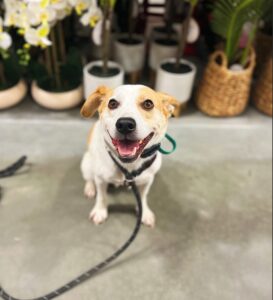
What to Do When Your Puppy Bites
Your response should be simple and consistent. The goal is to teach your puppy that biting people makes the interaction stop, while calm behavior and appropriate toys keep the interaction going.
Step 1: Stay Calm
When your puppy puts teeth on your skin, avoid turning the moment into a wrestling match. Stop moving your hands and avoid pushing the puppy away if that makes the puppy more excited.
Some puppies respond well to a brief verbal interruption, while others become more excited when people yelp. If a yelp increases your puppy’s arousal, skip it and quietly remove your attention instead. AKC specifically notes that high-pitched vocalizations can make some puppies more worked up.
Step 2: Remove Attention
Stand up, turn away, or move behind a safe barrier for a brief period. The purpose is not to frighten or punish your puppy. It is simply to end the interaction when biting occurs.
PetMD similarly recommends calmly removing yourself from the interaction when a puppy continues biting during play.
Step 3: Offer an Appropriate Toy
When the puppy has calmed down, return with a toy. Use a chew toy, tug toy, or another puppy-appropriate object rather than your hands.
Keep toys available in the areas where your puppy spends the most time. This makes redirection easier because you can respond before the puppy becomes too excited.
Step 4: Reward the Behavior You Want
When your puppy chooses the toy instead of your hand, praise calmly and continue the appropriate interaction.
You can also reward other calm behaviors, such as sitting, looking at you, or settling on a mat. Reward-based training helps puppies learn which behaviors earn attention and interaction. AVSAB currently recommends reward-based training methods for dog training and behavior problems.
Step 5: Give Your Puppy a Break if Needed
If your puppy continues biting repeatedly despite redirection, the puppy may be too tired or overstimulated to continue playing.
Move the puppy to a safe, calm area where they can rest. If you use a crate, introduce it positively and avoid making the crate feel like punishment. AKC also recommends quiet time or a crate when an overtired puppy needs help settling.
Teach Your Puppy What to Bite Instead
Stopping puppy biting is easier when you provide a clear alternative.
Keep several appropriate toys available and rotate them so your puppy has different textures and activities to explore. When your puppy reaches for a sleeve, hand, or ankle, calmly redirect to a toy.
Avoid using your hands as wrestling toys. Fast-moving fingers can become especially attractive to a puppy that is already excited.
If your puppy grabs clothing, avoid pulling back and turning it into a tug-of-war. Stop moving, redirect to an appropriate toy, and reward the puppy when they switch to it.
The lesson should remain consistent:
Human skin and clothing are not for biting. Toys are appropriate for chewing and play.
Manage Rest, Energy, and the Environment
Training works better when you prevent unnecessary opportunities for biting.
Young puppies need substantial rest, and an overtired puppy may have more difficulty controlling excitement. Build a routine that includes:
- Potty breaks
- Short training sessions
- Age-appropriate play
- Chew time
- Quiet time
- Regular naps
- Supervised exploration
You can also use baby gates, exercise pens, and other management tools to give your puppy a safe place to settle.
If you’re also working on crate routines, this crate training guide can provide additional guidance.
The goal is not to exhaust your puppy with exercise. Instead, balance physical activity with mental stimulation and rest.
Training Games That Help With Puppy Biting
Short training games can give your puppy a better way to use their energy and learn self-control.
Hand Targeting
Teach your puppy to touch your open hand with their nose rather than grabbing it with their mouth.
Hold your hand a few inches from the puppy’s nose. When the puppy touches it with their nose, mark the behavior and reward.
Once your puppy understands the game, you can use hand targeting to redirect attention during calm training sessions.
Leave It
Start with a low-value treat in a closed hand. When your puppy stops trying to get the treat and looks away or toward you, reward from your other hand.
Gradually practice with the treat in an open hand and then in more challenging situations.
This type of exercise can help build self-control. You can also read the San Antonio training guide on teaching impulse control for additional exercises.
Structured Tug
Tug can provide an appropriate outlet for play when the puppy understands that the toy, not human skin, is the target.
Use a clear start cue and stop the game if teeth touch your hands. Resume only when the puppy is calm enough to engage appropriately.
The objective is not to make tug stressful. It is to teach the puppy that good play has clear boundaries.
How to Handle Puppy Biting Around Children
Puppies and children can easily become overexcited together. Fast movements, running, squealing, and rough play may encourage nipping.
Always supervise interactions between young children and puppies.
Teach children to:
- Avoid chasing the puppy.
- Avoid putting fingers near the puppy’s mouth.
- Avoid roughhousing with their hands.
- Stand still if the puppy becomes mouthy.
- Use a toy to redirect the puppy when appropriate.
- Give the puppy space when the puppy is resting or eating.
Baby gates and exercise pens can help create separation when the puppy becomes too excited.
If your puppy regularly bites during interactions with children, especially if the behavior is intense or difficult to interrupt, seek professional guidance rather than allowing the situation to continue.

Common Puppy-Biting Problems
“My Puppy Only Bites My Hands and Feet”
Hands and feet move, making them interesting targets during play.
Keep a toy nearby and avoid using your hands as toys. When your puppy moves toward your hands or ankles, stop moving and redirect to a toy.
If your puppy repeatedly chases your feet, practice calm movement while rewarding attention on you.
“My Puppy Bites More at Night”
Evening biting may be related to excitement, tiredness, teething, or the accumulated stimulation of the day.
Instead of continuing an increasingly chaotic play session, try a calm potty break, quiet activity, chew toy, or nap.
Watch for patterns so you can start the calming routine before your puppy becomes overly excited.
“My Puppy Keeps Biting Even After I Redirect”
If your puppy repeatedly ignores toys and continues biting, reduce the difficulty of the situation.
Your puppy may be too excited, too tired, or simply not ready to continue playing. End the interaction calmly and give the puppy an opportunity to settle.
Consistency matters more than constantly adding new corrections.
“The Bites Are Getting Harder”
Harder or more intense biting deserves closer attention.
Review what happens immediately before the biting. Is the puppy being handled? Is food or a toy involved? Is the puppy cornered? Is the puppy tired or frightened?
If the puppy shows stiff body language, guarding, escalating growling, or biting that is difficult to interrupt, contact your veterinarian or a qualified behavior professional.
What Not to Do When Your Puppy Bites
Avoid methods that rely on fear, pain, or physical punishment.
Do not:
- Hit or smack the puppy.
- Hold the puppy’s mouth shut.
- Push the puppy onto the ground.
- Intentionally frighten the puppy.
- Encourage rough hand play.
- Continue playing after repeated hard biting.
AVSAB’s current position statement recommends reward-based training methods and advises against aversive methods for dog training and behavior problems.
The goal is to teach your puppy what to do instead of simply trying to suppress the behavior.
When to Seek Professional Help
Some puppy biting responds well to consistent management and training at home. Professional guidance may be appropriate when the behavior is unusually intense, persistent, or difficult to understand.
Consider contacting a veterinarian or qualified behavior professional if your puppy:
- Repeatedly breaks skin.
- Bites during handling in a way that seems fearful or defensive.
- Guards food, toys, or other resources.
- Shows stiff or tense body language while biting.
- Escalates despite calm redirection and management.
- Regularly growls or snaps outside normal play.
- Is difficult to safely manage around children.
Persistent, painful biting in an older puppy or adult dog warrants professional evaluation.
Puppy Training in San Antonio
If you are in San Antonio and want hands-on help, Off Leash K9 Training of San Antonio offers puppy training programs focused on early obedience and puppy development.
The current San Antonio training options also include a puppy consultation and a 10-day Pawsitive Foundation Puppy Board and Train. The puppy board-and-train listing focuses on foundational obedience and socialization and states that the team can help establish a schedule for housebreaking and crate training, without guaranteeing those results.
A consultation may be useful if you are unsure whether your puppy needs private instruction, an immersive program, or another training option.
Conclusion
Puppy biting is common, but it still requires consistent guidance. Redirecting to appropriate toys, ending attention when biting becomes too rough, providing enough rest, and rewarding calm behavior can help your puppy learn better ways to interact.
Do not focus on finding a specific age when biting must disappear. Instead, watch for gradual improvement and make sure everyone in the household responds consistently.
If you are working on several puppy behaviors at once, you can also use the potty-training guide and continue building calm behavior and basic obedience throughout the day.
If biting is unusually intense, involves guarding or fear, or is difficult to manage safely, professional guidance can help you determine what is driving the behavior and what training approach is appropriate. San Antonio owners can contact the training team to discuss available puppy-training options.
FAQs
At what age do puppies stop biting?
There is no single age when every puppy stops biting. Biting often becomes noticeable during early teething and should generally decrease as puppies mature and learn better ways to play and interact. The timeline varies between individual dogs.
How do I stop my puppy from biting my hands and feet?
Stop moving when the puppy bites, calmly remove attention, and then redirect the puppy to an appropriate toy. Avoid using your hands or feet as toys during play. If the puppy repeatedly targets your feet, practice calm movement and reward attention on you.
Should I yelp when my puppy bites?
A brief yelp may help some puppies, but it can make other puppies more excited. If your puppy becomes more mouthy after you yelp, skip the vocal response and calmly remove your attention instead.
Can teething make puppy biting worse?
Yes. Teething can increase chewing and mouthing, particularly as adult teeth begin coming in. Providing appropriate chew toys and supervising their use can give your puppy a safer outlet.
Does crate training help with puppy biting?
A positively introduced crate can provide a quiet place for a puppy to rest when they are overtired or overstimulated. The crate should not be used as punishment. Quiet time can be useful when a puppy is too tired to continue interacting appropriately.
When is puppy biting a reason to call a professional?
Seek professional guidance if the biting is unusually intense, repeatedly breaks skin, occurs with guarding or fear, involves stiff or tense body language, or does not improve with consistent management and redirection. A veterinarian or qualified behavior professional can help determine whether the behavior is ordinary puppy mouthing or requires a different approach.